
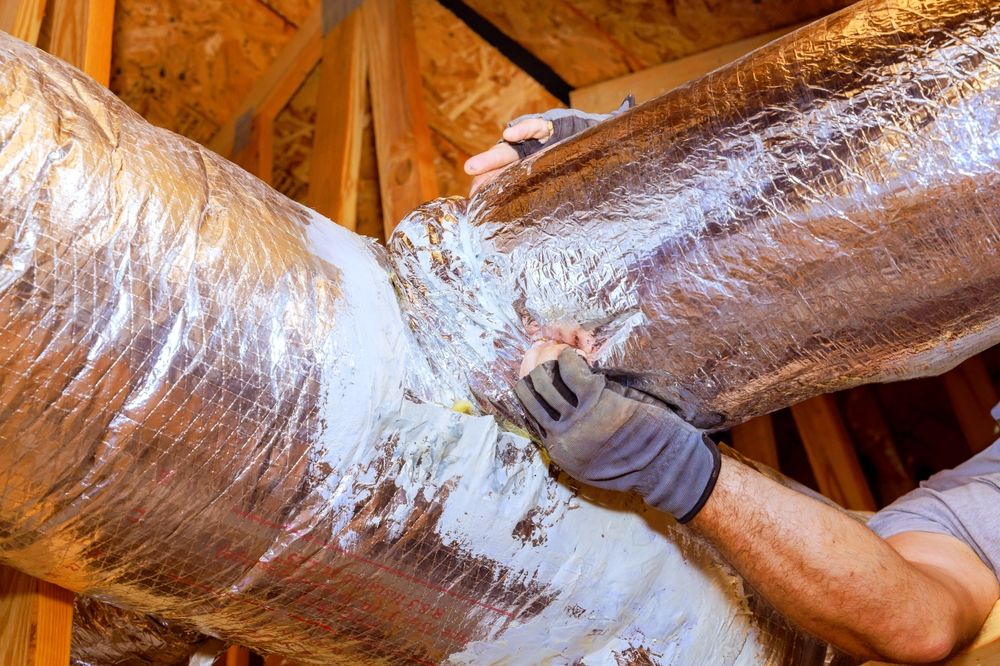
Sealed Systems That Stop Wasting Energy
Ductwork Repair in Bluffdale for homes losing heating and cooling performance to leaks and damage
Leaking ductwork wastes conditioned air before it reaches living spaces, forcing your furnace and air conditioner to run longer cycles to maintain thermostat settings while utility bills climb without corresponding comfort improvements. Infinity HVAC LLC repairs and seals damaged ductwork in Bluffdale homes to restore system efficiency and eliminate the heating and cooling imbalances caused by air escaping through gaps, disconnected joints, or deteriorated sealing. Bluffdale older homes and recent additions often have ducts that leak at connection points or flex runs damaged during other work, and window weather seasons reveal these problems when rooms stay cold despite the furnace running constantly or fail to cool during summer afternoons.
Ductwork inspection identifies leaks by checking visible seams, connections, and duct runs in attics, crawlspaces, and basements where damage typically occurs. Static pressure testing quantifies how much efficiency your system has lost by measuring resistance and airflow against baseline values, turning vague complaints about comfort into measurable problems with defined solutions. Duct sealing uses mastic or foil tape on compromised areas, and repairs are validated with post-work pressure testing that confirms airflow has been restored to design specifications.
Schedule a ductwork inspection to measure current system performance and identify repair needs.
How Duct Sealing Restores System Balance
Leaks in supply ducts release conditioned air into unconditioned spaces where it provides no benefit, while return duct leaks pull in unconditioned air that the furnace or air conditioner must work harder to heat or cool. Both problems reduce delivered airflow to living spaces and create pressure imbalances that leave some rooms comfortable while others remain too hot or too cold regardless of thermostat settings. Repairs focus on the areas where leaks cause the greatest performance loss, prioritizing trunk line connections and branch ducts serving problem rooms.
After sealing, you'll notice rooms reach target temperatures faster without the system running as long, registers deliver stronger airflow that actually moves air through the space rather than weak output that dissipates quickly, and temperature differences between rooms decrease as the system delivers its intended airflow to each area. Static pressure readings taken before and after repair document the improvement, showing reduced resistance and increased efficiency that translates directly into lower operating costs and better comfort.
Ductwork repair addresses leaks and disconnections but does not resize undersized ducts or correct fundamental design flaws that require partial reinstallation. If inspection reveals that ductwork is improperly sized for your equipment or that routing creates excessive resistance, those issues require different solutions beyond sealing, and the assessment explains which approach addresses your specific performance problems.
Common Concerns About Duct Repair
Repairing ductwork improves system performance when leaks and damage are the primary cause of comfort problems, and understanding what repair accomplishes helps set realistic expectations.
How do you locate ductwork leaks in areas that aren't visible?
Static pressure testing measures overall system resistance and identifies whether leaks are significant even when ductwork is hidden behind drywall or insulation, and accessible sections are inspected directly for disconnections, gaps, or damaged flex runs that reveal typical failure points.
What causes ductwork to leak in the first place?
Connections deteriorate over time as temperature cycling expands and contracts metal, flex ducts get torn during attic storage or other work, and poorly installed systems begin leaking immediately because sealing was skipped or inadequate during original installation.
When should ductwork be repaired versus replaced?
Repair works when duct runs are correctly sized and routed but have developed leaks at connection points or sustained minor damage, while replacement is necessary when ducts are undersized for current equipment, routed inefficiently, or extensively damaged beyond what sealing can fix.
Why does South Jordan's climate make duct leaks more costly?
Winter heating and summer cooling seasons in the region push HVAC systems hard, so leaks that waste conditioned air directly increase runtime and energy consumption during the months when equipment operates most frequently and utility costs are highest.
What happens during post-repair pressure testing?
Gauges measure static pressure inside the duct system and compare readings against pre-repair values and manufacturer specifications, confirming that sealing has reduced resistance and restored airflow to levels that allow your furnace and air conditioner to operate efficiently.
Infinity HVAC LLC built its business on transparency about what proper installations and repairs include, using static pressure testing to distinguish real solutions from surface fixes that ignore underlying performance problems. Request a duct performance evaluation to determine whether sealing will resolve your comfort issues.