
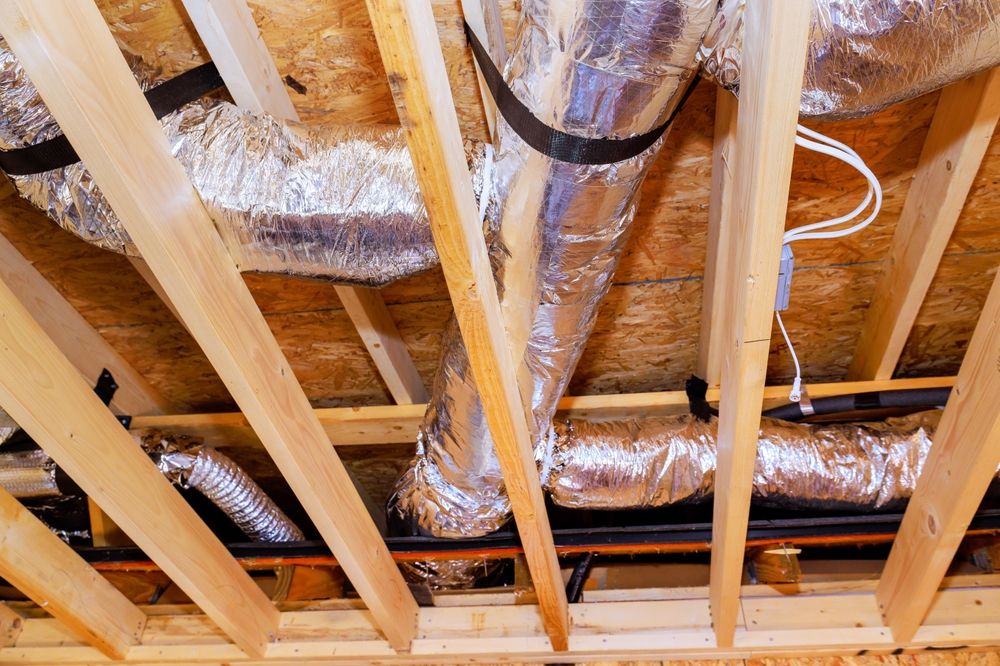
Systems Designed Before the Walls Go Up
New Construction HVAC in Bluffdale for homes that need heating and cooling matched to actual load requirements
Infinity HVAC LLC designs and installs heating and cooling systems for new homes in Bluffdale using load calculations performed from blueprints before equipment is ordered. You need this when building a home where insulation levels, window placement, and square footage determine the exact capacity required to maintain comfort without short-cycling or inflated utility costs. Rushed installations skip static pressure testing and rely on outdated rules of thumb that leave ductwork undersized or systems oversized for the actual envelope.
The service begins with load calculation from your builder's blueprint to determine BTU requirements based on insulation, orientation, and Utah's heating-dominated climate. Ductwork is then sized and sealed to meet static pressure targets, preventing the airflow restrictions that force furnaces and air handlers to work harder than necessary. New Utah homes require properly sized systems because modern building codes mandate tighter envelopes, and equipment matched to older construction standards will cycle inefficiently in a well-insulated structure.
Schedule a consultation with your builder's timeline to coordinate ductwork installation during framing.
What Happens Between Framing and Drywall
Ductwork installation occurs after framing inspection and before insulation, when trunk lines and branch runs can be routed through joists and cavities without interference. Each section is sized according to the calculated airflow requirements for that zone, and all seams are sealed with mastic rather than tape to prevent the 20–30 percent leakage common in code-minimum installations. Static pressure testing is performed after the system is assembled to verify that resistance stays within manufacturer specifications, which protects blower motors and maintains the efficiency ratings printed on the equipment label.
Once the system is started up and the home is enclosed, you'll notice even temperatures across rooms without the hot and cold spots that indicate undersized ducts or poorly balanced airflow. Infinity HVAC LLC performs final performance testing before the builder's walkthrough to confirm that measured airflow matches the design and that the system operates at the AFUE or SEER rating the homeowner was promised.
The installation includes startup documentation that records static pressure readings, supply and return airflow measurements, and thermostat calibration settings, which establishes a baseline for future maintenance and eliminates guesswork if service is ever needed. This level of verification separates installations done to design standards from those done to meet a low bid.
What Builders and Homeowners Ask Before Installation
New construction timelines require coordination between trades, and HVAC installation spans multiple phases from rough-in through final startup. These questions address the details that affect both schedule and system performance.
What information is needed to calculate the load for a new home?
The calculation requires the blueprint with wall and ceiling insulation R-values, window specifications including U-factor and solar heat gain coefficient, square footage by room, and ceiling heights, which together determine the actual heating and cooling demand rather than relying on square-footage estimates.
How does ductwork sizing differ from older homes?
Bluffdale's newer housing stock is built to tighter envelope standards, which reduces the load but increases the importance of proper duct sizing because restricted airflow in a low-leakage system creates higher static pressure that strains blower motors and reduces efficiency more than it would in a leaky older home.
What happens if the builder changes the layout after the load calculation?
Any change to window count, ceiling height, or insulation levels requires recalculating the affected zones to verify that duct sizing and equipment capacity still match the revised design, which prevents the undersizing or oversizing that occurs when assumptions are locked in too early.
Why does static pressure testing matter in new construction?
Testing verifies that the installed ductwork delivers the designed airflow without excessive resistance, which is critical because Utah's heating-dominated climate means furnaces run longer cycles and any inefficiency compounds over thousands of operating hours each winter.
What should be documented at final startup?
Performance testing should record supply and return static pressure, temperature rise across the heat exchanger, refrigerant charge if the system includes cooling, and measured airflow at the air handler, all of which establish whether the system operates as designed and provide a reference for future troubleshooting.
Infinity HVAC LLC works with builders across Bluffdale and South Jordan to install systems designed for long-term performance rather than lowest first cost. Request a load calculation review during the planning phase to ensure equipment sizing aligns with your home's actual requirements.